Estonia
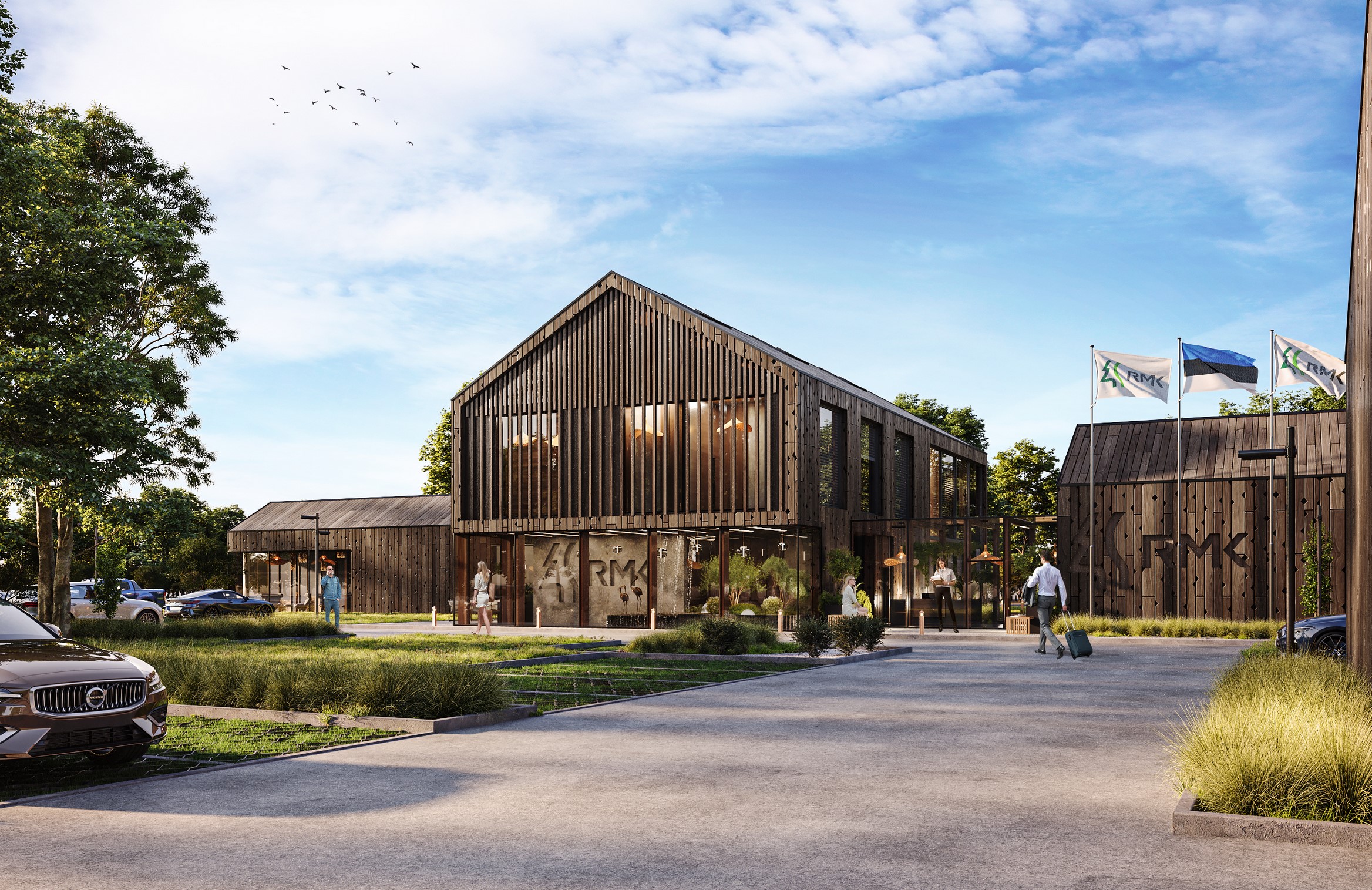
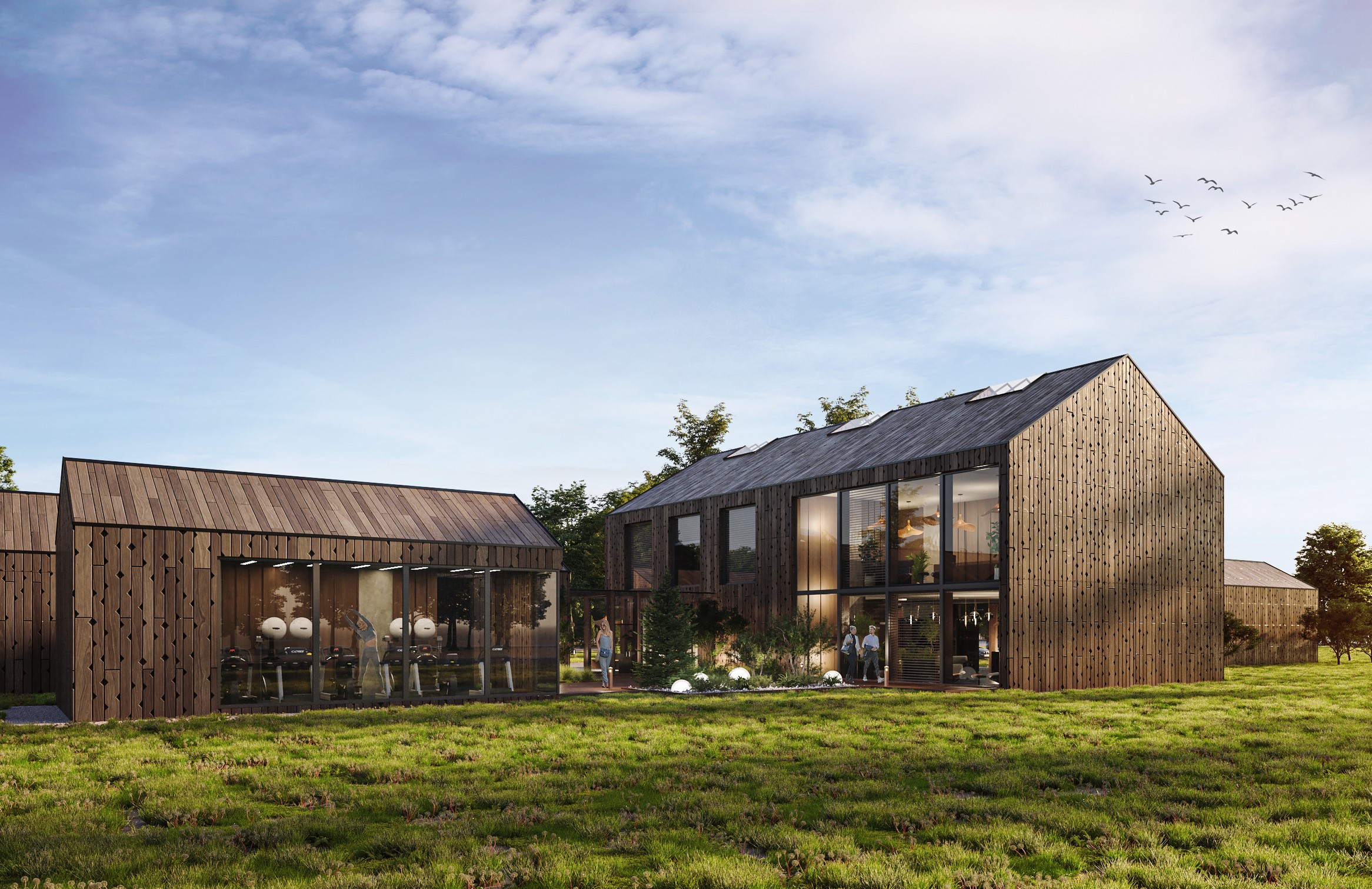
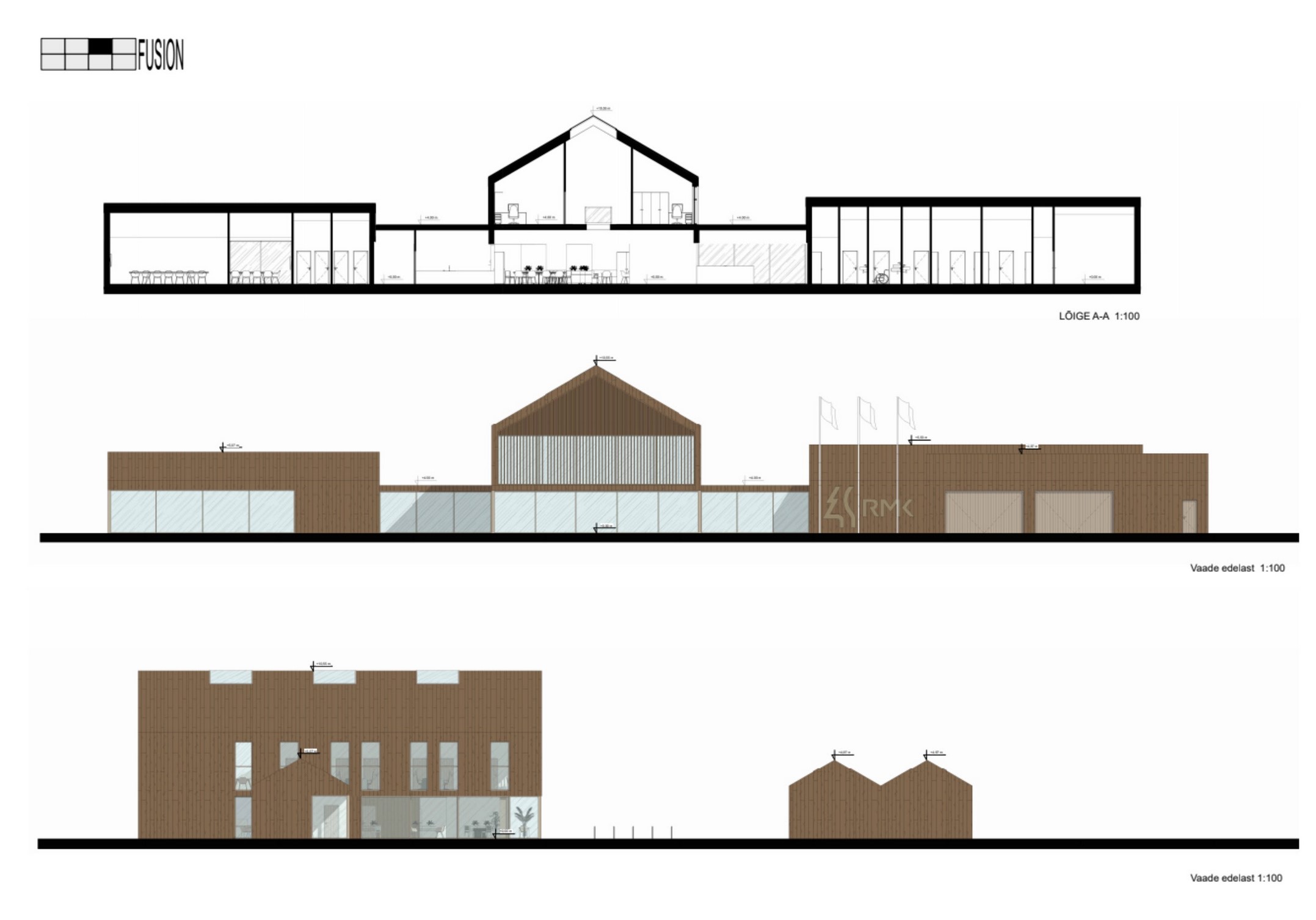
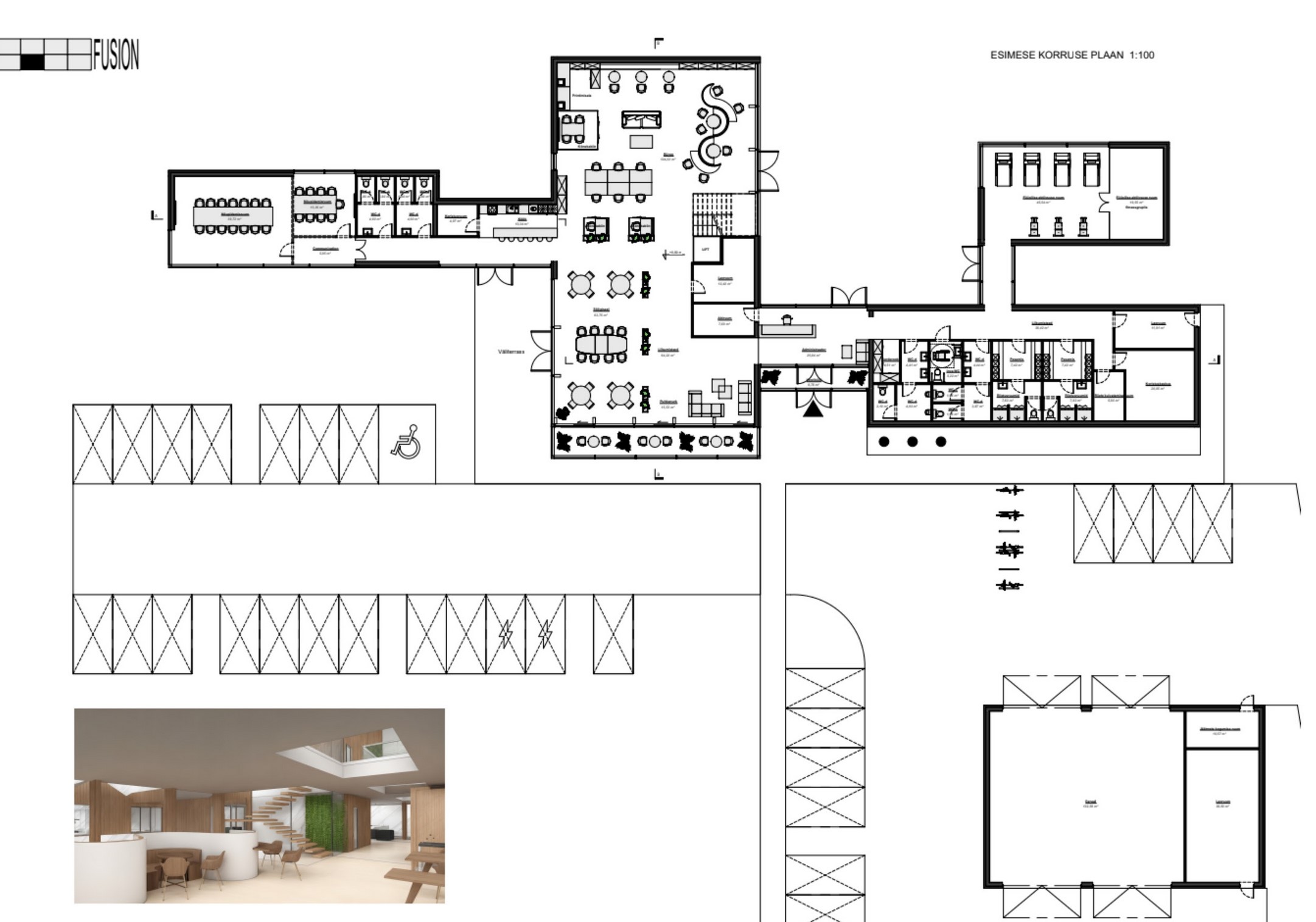
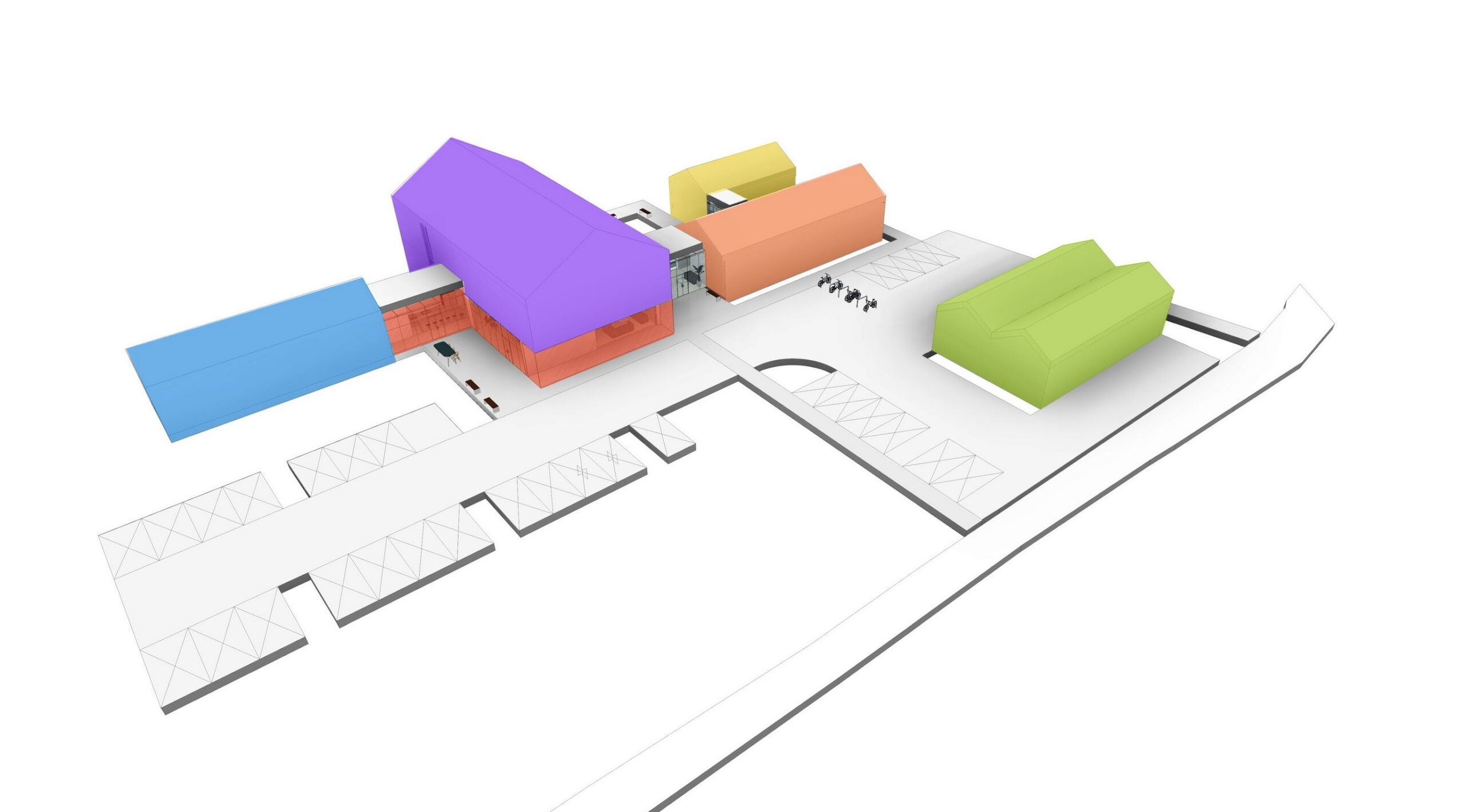
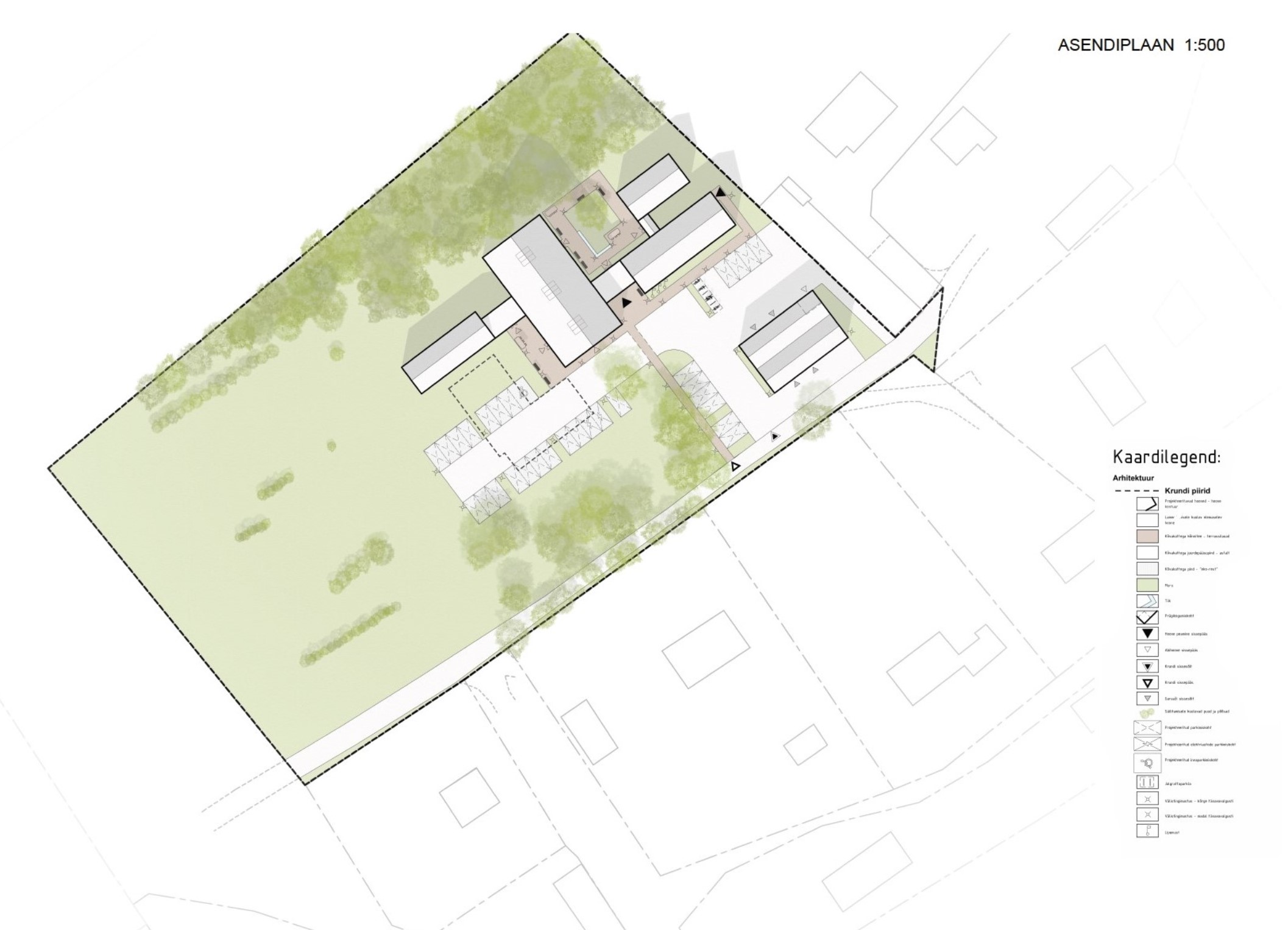
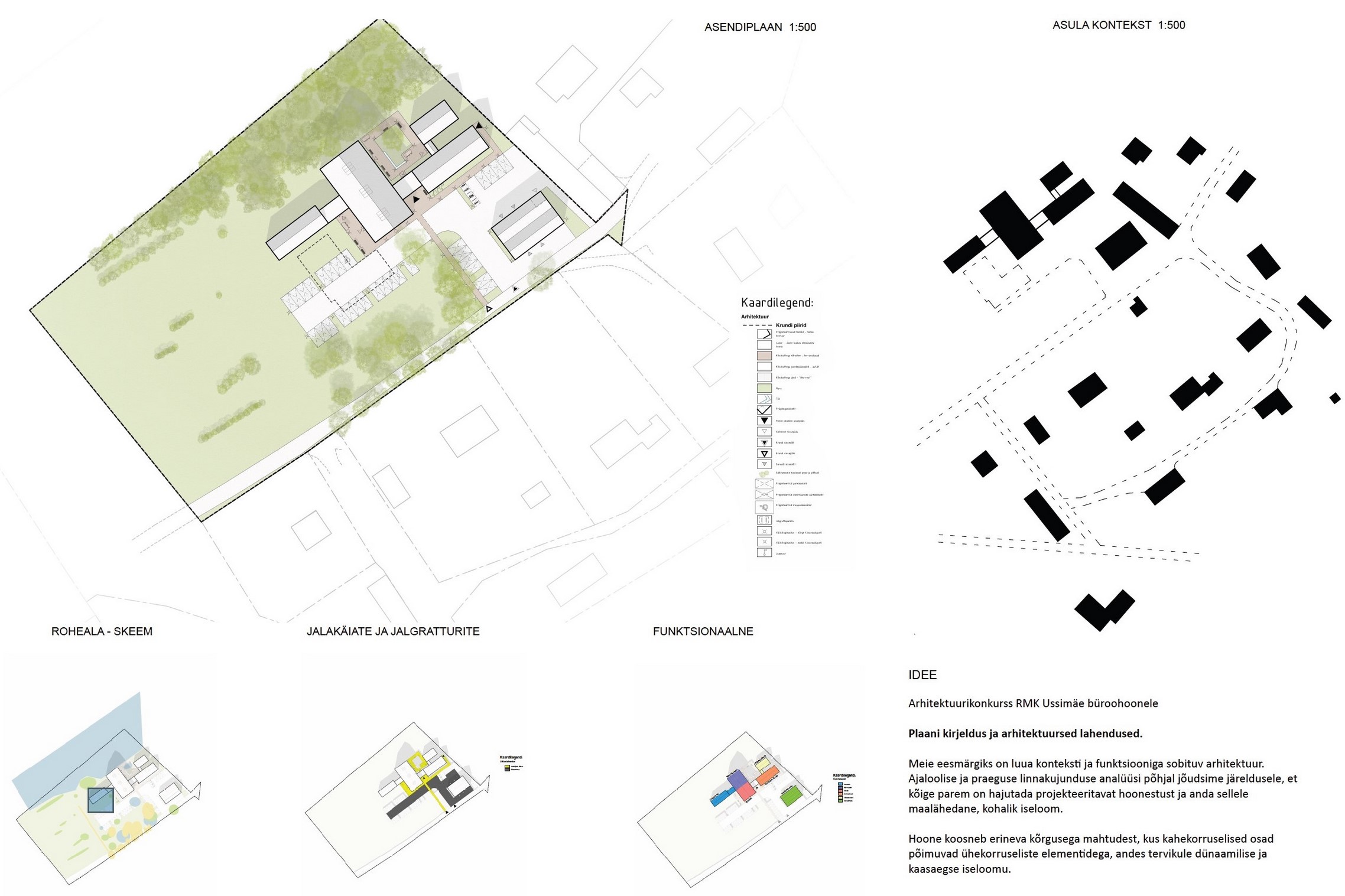
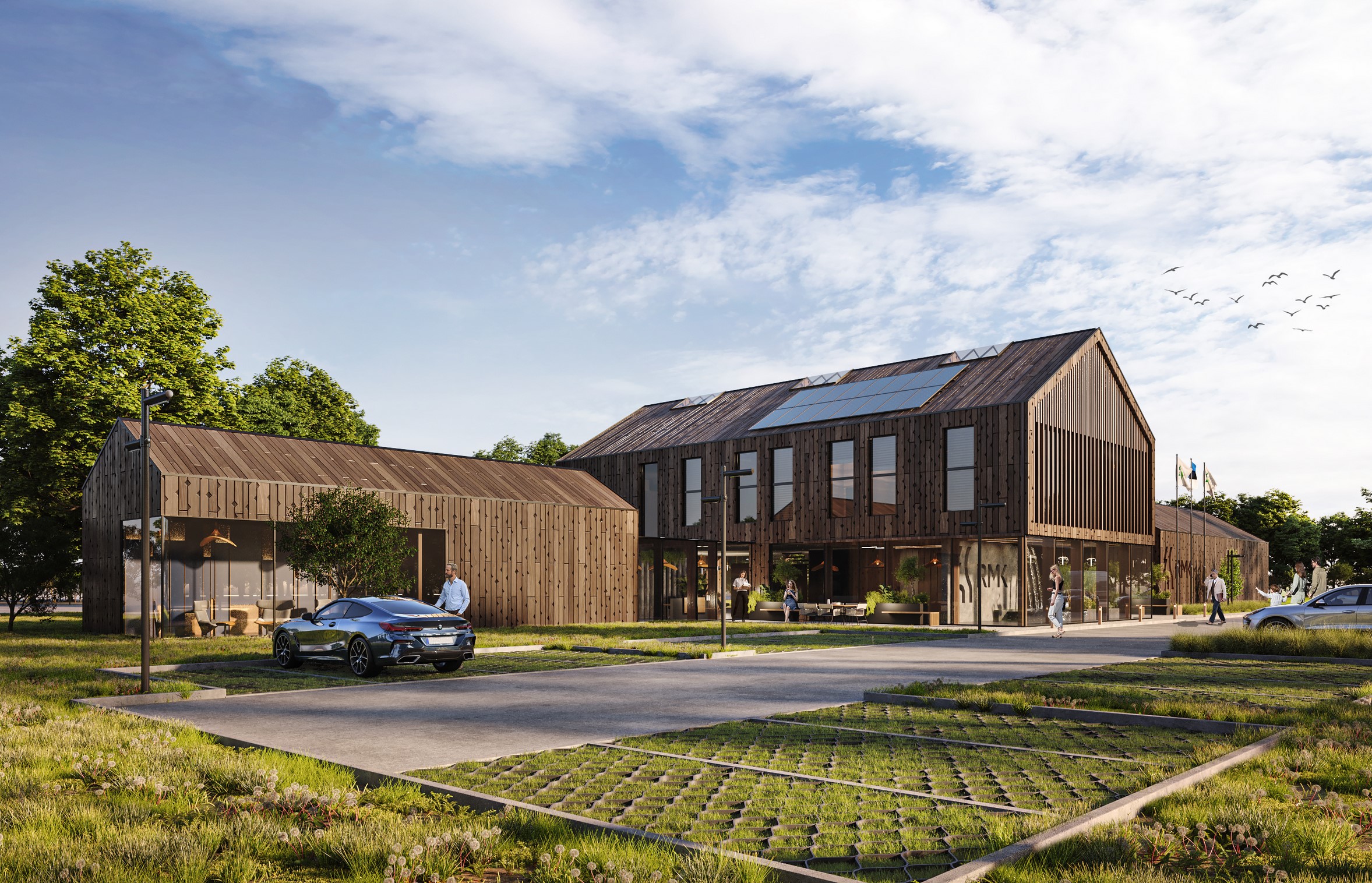
FUSION Architectural competition for the RMK Ussimäe office building – Description of site plan and architectural solutions Our aim was to create architecture that fits seamlessly into the context and function of the site. After analysing both the historical and current urban layout, we concluded that the best approach would be to break down the planned development into smaller volumes and give it a rural, local character. The modern RMK headquarters, designed with both functionality and aesthetics in mind, presents itself as a harmonious composition of four main volumes connected by transparent links made of high-quality glass. The building attracts attention with its varied heights, where two-storey sections alternate with single-storey elements, giving the whole a dynamic and contemporary character. This design approach allows for the preservation of the existing landscape value while introducing a new architectural quality with proportions adapted to the existing surroundings and intended function. The building consists of four main volumes, visually and functionally linked by glass connectors. This approach makes it possible to clearly define functional zones both inside and outside the building. The proposed facility is located in the central part of the plot, a short distance from an existing building earmarked for later demolition. A garage building is located in the southern part of the plot near the main entrance. Preserving the existing greenery has allowed us to create intimate courtyard spaces that encourage both outdoor work and moments of rest. Thanks to the use of glass connectors between the main volumes, building users remain in constant contact with nature and natural daylight. The layout and arrangement of functions within the building are the result of analyses presented in the conceptual diagrams. In designing the facility, we took into account site conditions such as sunlight, neighbouring buildings, existing vegetation to be preserved, and the circulation layout. Directly opposite the entrance road, we located the main entrance — marked by a large logo embossed on the wall and three flag masts. The building’s interior has been carefully divided into several zones, aimed at ensuring efficient work organisation and user comfort. The office section includes both open-plan spaces that encourage collaboration and dynamic idea exchange, as well as quiet work areas providing privacy and focus. Additionally, there is a spacious common area dedicated to relaxation and employee integration. Large glazing has been applied in strict correlation with room functions, bringing natural light into the interior and connecting users with the surrounding landscape. On the ground floor, the sanitary and technical service areas are located, ensuring ergonomic building operation. In line with the concern for employee health, a gym/fitness room is also available, encouraging physical activity. Of note is the internal atrium cutting through the first-floor corridor of the main building, which, in combination with ridge skylights, provides not only natural lighting but also creates a friendly space. The proportions of the buildings, the choice of façade solutions, and the design of glazing are adapted to activities both inside and outside the building. The clear functional layout allows for zoning of functions while also enabling interaction between different user groups. The building’s surroundings have also been carefully designed. Courtyards and terraces provide employees with places to rest, relax, and work outdoors, fostering creativity and effective work. The whole forms a harmonious and functional space, oriented towards user needs while integrating seamlessly with its surroundings. – Description of structural solutions, building and finishing materials, and energy efficiency The limitation of materials (wood, terrazzo, and greenery) and their consistent, coherent use has created a building atmosphere of traditional character in a modern form. In our design, we placed strong emphasis on eco-friendly solutions. The building structure is made of wood (timber frame structure with glued laminated timber elements). Thermal insulation consists of mineral wool with a minimum thickness of 45 cm (walls) and 50 cm (roof). The ventilated façades and roof are finished with natural wood on a wooden substructure. The façade, in a contemporary style, is characterised by natural wood, which dominates both façades and roof, giving the building a warm and welcoming appearance. The wooden cladding, sustainably sourced, is probably one of the few environmentally friendly roofing options. Wooden cladding is positioned as an ecological alternative to the zinc roofs that have become popular in recent years. Natural wood is a renewable and recyclable resource. The production process for such roofing is energy-efficient. Properly protected, it performs well throughout its lifespan, and at the end of its life cycle it can be disposed of or recycled in an environmentally friendly manner. Wood stores carbon, playing an important role in reducing CO₂ emissions. Wooden cladding is a versatile, timeless building material suitable for both traditional and contemporary architecture. Natural wood cladding offers a range of aesthetically pleasing, eco-friendly finishing options. In most cases, a wooden roof covering does not need to be entirely replaced. If damage is found, only the affected boards need to be replaced. In addition to its warmth and beauty, wooden cladding is dimensionally stable. Properly protected, it performs well even in harsh weather conditions. Wooden roofing naturally weathers over time, changing colour from its original tone on the day of installation to delicate greys and light brown shades. This colour change is an aesthetic, natural process to be appreciated and celebrated. The building will be equipped with mechanical ventilation with heat recovery and air conditioning, an air-to-water heat pump supported by photovoltaic panels, underfloor heating, and triple-glazed windows. Additionally, windows on the southern façade will be equipped with overheating protection (external blinds concealed in the façade with automated controls). – Key technical indicators and room schedule in table form (site coverage, net and gross floor area, and building volume) If you’d like, I can also prepare a more polished “competition submission” version of this translation so it reads like a native English architectural portfolio text. That would make it sound even more professional for juries or publications.